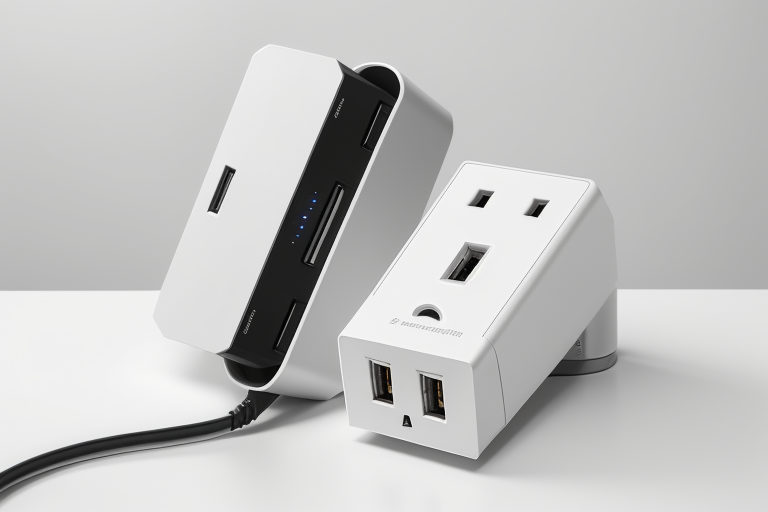
Travel Adapter with USB Ports Worldwide: Complete Guide
Understanding Universal Travel Adapters with USB Ports: What Makes Them Essential
When you’re packing for an international trip, one of the most confusing items on your list is the travel adapter. Let’s break down what you actually need and why a universal adapter with USB ports has become such a game-changer for travelers.
Plug Adapters vs. Voltage Converters: Know the Difference
Here’s something that trips up many first-time international travelers: plug adapters and voltage converters are completely different things. A plug adapter simply changes the shape of your plug to fit foreign outlets. A voltage converter actually changes the electrical current from 220V (common abroad) to 110V (standard in North America).
The good news? You probably don’t need a voltage converter anymore. Check the fine print on your phone charger, laptop, or camera battery charger—most modern electronics say “INPUT: 100-240V” somewhere on them. This means they automatically handle any voltage worldwide. You just need the right plug shape, which is where adapters come in.
The USB Port Advantage
Traditional travel adapters just give you outlet access, meaning you’d still need to pack all your charging bricks. Modern adapters with built-in USB ports let you charge multiple devices directly, eliminating several items from your luggage. Instead of carrying separate chargers for your phone, tablet, smartwatch, and headphones, you can plug them all straight into your adapter.
What “Worldwide” Coverage Actually Means
When manufacturers claim “worldwide” compatibility, dig into the specifics. Some adapters cover 150+ countries, while premium models cover 200+. The difference matters depending on where you travel.
Most adapters handle the big ones: Type A/B (Americas, Japan), Type C/E/F (Europe), Type G (UK, Hong Kong, Singapore), and Type I (Australia, China). The 200+ country models add less common plug types for places like South Africa (Type M) or India (Type D). If you’re sticking to major cities and tourist destinations, 150+ country coverage is usually sufficient.

Check Price on Amazon →
Understanding USB Power Standards
Not all USB ports are created equal, and this is where things get technical—but important.
USB-A ports are the traditional rectangular ones. They typically output 5W to 12W, which is fine for phones and small devices but slow by today’s standards.
USB-C ports are the newer, reversible oval ones, and they’re where the magic happens. With Power Delivery (PD) technology, USB-C ports can output anywhere from 18W to 100W. A 30W port charges phones quickly, while 45W-65W ports can even power laptops.
When shopping, check the total wattage output. A quality adapter might offer 4 USB ports total, but they often share power—so using all ports simultaneously charges everything slower.
Safety Certifications Matter
Don’t cheap out here. Look for these certifications on any adapter you buy:
- UL (Underwriters Laboratories) – North American safety standard
- CE (Conformité Européenne) – European safety compliance
- FCC – Electromagnetic interference standards
- RoHS – Restricts hazardous materials
These aren’t just stickers—they indicate the adapter has been tested for fire safety, surge protection, and won’t fry your $1,000 smartphone. Adapters with proper certifications also include fuses and often have built-in surge protection to handle power fluctuations common in some countries.