Best Under Desk Storage Drawer Organizers (2026 Guide)
Introduction
Let me guess—right now, there's a tangle of cables, a random screwdriver, some sticky notes, and at least three pens you forgot about living under your desk. I've been there. Actually, I've reviewed desks where the underside looked like a Best Buy stockroom after a tornado.
Here's the problem: that chaotic void under your desk isn't just unsightly—it's stealing your productivity. When you can't find your USB-C adapter because it's buried in cable spaghetti, or you're constantly pushing things aside with your feet, or your desktop is cluttered because you have nowhere else to put anything, you're losing mental energy and time. Studies show visual clutter directly impacts your ability to focus, and that includes the mess you know is lurking just out of sight.
The solution isn't another organizer that sits on your desk, taking up precious work surface. It's reclaiming that wasted vertical space underneath—the area most people completely ignore until they drop something and discover a graveyard of forgotten office supplies.
Under desk storage drawer organizers are game-changers for this exact problem. Think of them as secret compartments that mount to the underside of your desk, giving you instant access to supplies, tools, and accessories without sacrificing a single inch of workspace. I've tested dozens of these over the past two years, from flimsy plastic trays that fell apart within a week to rock-solid metal units that handle daily abuse like champs.
Who actually needs one of these? Pretty much anyone with a desk, honestly. If you're working in a small home office where every square inch matters, they're essential. If you're going for a minimalist setup but still need to store stuff somewhere, they're perfect. And if you're tired of your desk looking like a stationery store exploded on it, you'll wonder how you lived without one.

Check Price on Amazon →
In this guide, I'm breaking down everything you need to know about under desk drawer organizers—not the marketing fluff, but the real-world stuff that matters. We'll cover the main types (spoiler: they're not all created equal), how to actually install them without damaging your desk, capacity considerations so you don't end up with a drawer that holds exactly two pencils, and insights from my hands-on testing that'll save you from buying the wrong one.
I'll also share which features are worth paying for and which are pure gimmicks, because I've wasted money on both so you don't have to. Whether you need a spot for notebooks, cables, snacks (no judgment), or your entire pen collection, there's probably a solution that fits your desk and your workflow. Let's find it.
What Is an Under Desk Storage Drawer Organizer?
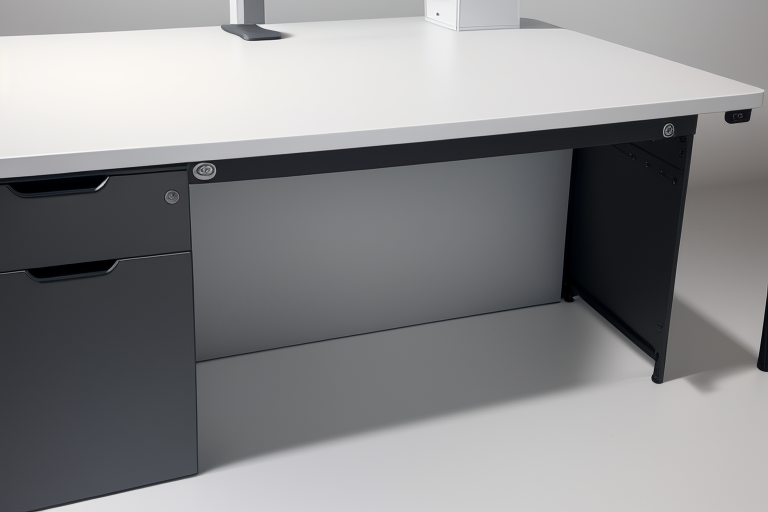
An under desk storage drawer organizer is exactly what it sounds like—a drawer unit designed to mount or slide underneath your desk, giving you concealed storage space that doesn't eat up valuable desk real estate. Think of it as reclaiming the dead zone beneath your workspace and turning it into functional storage that keeps your surface clean and your essentials within arm's reach.
These organizers come in a surprising range of styles and configurations. You'll find everything from slim pencil trays that barely protrude an inch to full-blown multi-drawer cabinets that essentially create a mini filing system under your desk. The beauty is that they're completely out of sight, which means you can maintain that clean, minimalist desk aesthetic while actually having a place for all your stuff.
Construction materials vary widely depending on your needs and budget. Metal units—usually steel or aluminum—offer durability and a sleek, professional look. Plastic organizers are lightweight and affordable, though they can feel less substantial. Wood options blend seamlessly with traditional desks and bring some warmth to your setup. Then there are hybrid designs that combine materials, like metal frames with plastic drawers or wooden exteriors with metal slides.
The mounting method you choose depends on your desk type and how permanent you want the installation. Adhesive strips work great for lightweight trays and won't damage your desk, but they're limited in weight capacity. Clamp-on systems grip the edge of your desk and can be repositioned easily—perfect if you're renting or like to rearrange frequently. Screw-in brackets provide the most secure mounting for heavier units, though you'll need to drill into your desk. If commitment isn't your thing, freestanding options simply slide under your desk without any attachment at all.
Check Price on Amazon →
Drawer Organizers vs. Desktop Organizers
Here's where people get confused. Desktop organizers sit on your desk—those little tiered trays, pen cups, and file holders you see everywhere. They're visible and accessible but take up surface space. Under desk organizers, on the other hand, live underneath, keeping your workspace clear while still providing quick access when you open a drawer. If you're trying to maximize your work surface, especially on smaller desks, going underneath makes more sense than stacking organizers on top.
Pencil Trays vs. Full Storage Drawers
Not all under desk organizers are created equal. Pencil trays are shallow, single-compartment drawers typically 1-2 inches deep. They're perfect for pens, sticky notes, paper clips—the small stuff that tends to clutter your desk. They mount flush against the underside of your desk and are barely noticeable.
Full storage drawers are the heavy hitters, ranging from 3-6 inches deep or more. These can hold notebooks, chargers, snacks, your

Check Price on Amazon →
supplies, or even a backup keyboard. Some feature adjustable dividers so you can customize the interior layout. Multi-drawer units work almost like a traditional filing cabinet, just tucked out of sight.
The choice depends on what you're storing. If it's just daily office supplies, a pencil tray is plenty. But if you need to stash headphones, charging cables, personal items, or tech accessories, go for the full drawer.
Types of Under Desk Storage Drawer Organizers
Finding the right under-desk storage depends on your setup, whether you rent or own, and how much stuff you actually need to stash. Let me break down the main categories so you can figure out what works for your space.
Adhesive-Mount Drawers
These are lifesavers if you're renting or hate the idea of drilling holes in your desk. Adhesive-mount drawers stick directly to the underside of your desk using 3M-style mounting tape or adhesive pads. They're typically slim, single-tray designs perfect for pens, sticky notes, or your collection of USB drives you swear you'll organize someday.
The catch? Your desk surface needs to be smooth and clean. They work great on laminate, metal, or painted surfaces, but forget about using them on raw wood or textured finishes. Also, weight limits matter—most handle 2-5 pounds max, so don't load them up with your stapler collection.
Clamp-On Drawer Systems
Clamp-on drawers attach to your desk edge using C-clamps or screw-tightened brackets. No permanent modifications needed, but you get way more stability than adhesive options. These typically handle 10-15 pounds and work well for heavier items like notebooks, tablets, or charging cables.
The downside is desk thickness compatibility. Most clamps work with desktops between 0.75-2 inches thick. If you've got a glass desk or one with a weird lip, double-check the specs before buying. I've seen too many people try to force-fit these and end up with cracked clamps.
Screw-In Mounted Drawers
If you own your desk and want something permanent, screw-in mounted drawers are your most stable option. These include single-tray pencil drawers that slide out for quick access, multi-drawer vertical units for organized storage by category, and even pull-out keyboard tray combos with storage compartments underneath.
The installation takes 15-30 minutes and requires drilling pilot holes, but you get rock-solid performance. These can typically support 15-30 pounds depending on the mounting hardware. Just make sure you're drilling into solid material—not the hollow core of a cheap desk.
Check Price on Amazon →
Freestanding Under-Desk Units
These sit on the floor under your desk rather than mounting to it. Rolling pedestal drawers are the classic choice here—they give you mobility to slide them around as needed, and many double as extra seating in a pinch (though your back might disagree).
I'm also seeing more compact freestanding units designed specifically for tight under-desk spaces. They're basically mini filing cabinets without the corporate vibe. The key advantage is flexibility—move them, take them with you when you relocate, or repurpose them when you upgrade your setup.
Built-in desk models with integrated drawer systems are worth mentioning too, though that's more of a whole-desk decision than an add-on organizer. If you're shopping for a new desk anyway, getting drawers built in from the start often makes more sense than retrofitting.
The reality is most people benefit from mixing types—maybe a clamp-on drawer for daily essentials and a rolling pedestal for files and supplies. Your setup should match how you actually work, not some Instagram-perfect aesthetic.
Key Features to Consider Before Buying
Before you drop cash on an under-desk storage solution, let's talk about what actually matters. I've tested enough of these to know that the difference between a drawer you'll use daily and one that becomes a dust collector comes down to a few critical factors.
Measuring Your Under-Desk Space
This is where most people mess up. You need three measurements: the width of your desk, the clearance from the floor to the underside of your desktop, and—here's the one everyone forgets—your actual knee space when you're seated.
Grab a tape measure and check your vertical clearance. Most desks sit 28-30 inches off the ground, leaving you with about 24-26 inches of usable space underneath. Now subtract 3-4 inches for your thighs when seated. That's your maximum drawer height. I learned this the hard way when I mounted a 6-inch drawer that meant I had to sit like a T-Rex to use my keyboard.
Pay attention to internal dimensions versus external footprint too. A drawer might advertise as 12 inches wide, but the usable interior space could be 10 inches after accounting for the frame and slides. Check the spec sheet carefully—manufacturers sometimes bury these details.
Weight Capacity Considerations
Weight ratings vary dramatically based on mounting type. Clamp-on models typically max out at 10-15 pounds because they're relying on friction against your desk edge. Screw-mounted versions can handle 25-35 pounds since they're mechanically fastened to the desk itself.
Check Price on Amazon →
Think about what you're actually storing. Office supplies? 5 pounds is plenty. Adding a backup hard drive, charging cables for multiple devices, and a
Check Price on Amazon →
setup? You’re approaching 15 pounds fast. I once overloaded a budget drawer with tech accessories and had the whole thing sag after two months.
Drawer Slide Quality
The slides make or break the experience. Full-extension ball-bearing slides are worth every penny—they let you access items at the very back of the drawer without playing the "dig through everything" game. Budget friction slides feel like you're dragging the drawer through sand and typically only extend 75% of the way.
Check Price on Amazon →
Here's what to look for:
- Ball-bearing mechanisms for smooth, quiet operation
- Soft-close dampening if you tend to slam things shut (guilty)
- Full extension to actually reach what you stored back there
- Metal construction over plastic—plastic slides wear out fast with daily use
Locking features matter if you're storing anything sensitive. Some drawers include keyed locks, while others have simple latch mechanisms. In a home office, a basic lock keeps curious kids out. Shared workspace? Spring for a proper keyed lock.
Don't overlook access design either. Recessed handles keep a clean profile but can be annoying with full hands. Pull handles are easier to grab but might interfere with chair movement. I prefer a simple cutout handle on top—it's functional without adding bulk.
Installation Guide: Mounting Your Under Desk Drawer
Getting your under desk drawer properly installed is crucial—I've seen too many organizers come crashing down mid-workday because someone skipped the surface prep or rushed the positioning. Let me walk you through each installation method so yours stays put.
Adhesive Installation Steps
Adhesive mounting is the quickest option, but it only works if you do the prep work. I learned this the hard way when my first adhesive-mounted drawer lasted exactly three days.
Surface preparation is everything. Wipe down your desk's underside with rubbing alcohol and let it dry completely—no shortcuts here. Any dust, oil from your hands, or old furniture polish will compromise the bond. If your desk has a textured finish, adhesive probably isn't your best bet.
Here's the process:
- Clean the mounting area thoroughly and let dry for 10 minutes
- Position the drawer without removing adhesive backing to mark your spot with painter's tape
- Consider accessibility—you should reach it without straining or hitting your knees
- Remove backing and press firmly for 30 seconds on each adhesive pad
- Wait 24 hours before loading anything. Seriously, don't cheat on this one
Most adhesive failures happen because people load them immediately. The bond needs time to cure properly.
Clamp System Installation
Clamp-on systems are my go-to recommendation for most situations. They're reversible, reliable, and work with virtually any desk thickness from ¾" to 2".
The key is finding the sweet spot for positioning. Mount too far back and you'll strain your shoulder reaching items. Too close to the edge and you'll bang your knees constantly. I typically position mine about 6-8 inches from where I sit, slightly offset to my dominant hand side.
Before tightening:
- Slide a piece of cardboard between the clamp and your desk surface to prevent marring
- Make sure the clamp plates are perpendicular to the desk edge
- Test the sliding mechanism before final tightening
- Tighten evenly—don't crank one side down first
Some people overtighten clamps thinking it'll be more secure, but this can actually crack the mounting brackets or damage your desk. Snug is good enough.
Check Price on Amazon →
Permanent Mounting Options
Screw-mount installation offers the strongest hold, but requires commitment and careful planning. This is your only real option if you're planning to store heavy items like laptop accessories or reference books.
Finding the right mounting location: Avoid drilling directly into desk joints or near existing hardware. If you have a particle board desk, consider using toggle bolts or spreading load across multiple screws—particle board strips out easily.
For solid wood desks, pre-drill pilot holes slightly smaller than your screw diameter. This prevents splitting and gives you a stronger hold.
Common installation mistakes I see constantly:
- Mounting at the wrong height (test sitting position first!)
- Not accounting for knee clearance when your
Check Price on Amazon →
is adjusted
– Ignoring cable routing—plan around your
Check Price on Amazon →
setup
– Using screws that are too long and puncture the desk surface
Testing Before Loading
Whatever mounting method you choose, test it aggressively before trusting it with your stuff. Grab the drawer and pull down with moderate force. Try sliding it in and out ten times quickly. If anything feels loose, address it now.
For heavy-duty applications, consider adding L-brackets as reinforcement points, especially on the back corners where stress concentrates during opening and closing.
Best Organizing Strategies for Under Desk Drawers
I've seen too many under-desk drawers that become black holes for random office supplies. After years of testing storage solutions, I've learned that a good
Check Price on Amazon →
needs a solid organizational system to actually be useful—otherwise, you’re just hiding clutter.
Daily-Use Items Placement
The golden rule: items you use daily should live in the top drawer or the front section of your main drawer. Think pens you actually write with (not the 23 you've collected), your favorite sticky notes, and your current notebook. Everything else is wasting prime real estate.
I organize by frequency:
- Daily zone (front/top): Current work essentials, frequently-used charging cables, hand lotion
- Weekly zone (middle/second drawer): Reference materials, backup supplies, less-used adapters
- Monthly zone (back/bottom): Emergency items like pain relievers, phone chargers for obscure devices, extra batteries
Here's a practical tip I learned the hard way: keep a small envelope or pouch for "homeless" items like SD cards, USB drives, and earbuds. These tiny essentials would otherwise scatter to drawer corners where you'll never find them.
Cable Management Inside Drawers
Cables are the absolute worst. Without a system, you'll end up with a tangled mess that makes you want to just buy new cables instead of excavating the drawer.
My approach: use small zippered pouches or small food containers (seriously, those 4-inch Tupperware containers work great) to group cables by type. One container for USB cables, another for adapters, another for headphones and earbuds. Label them with a label maker or even masking tape.
For cables you use frequently, try velcro cable ties or binder clips attached to the drawer's edge—they keep cables from slithering to the back when you're not using them.
Using Dividers Effectively
Expandable drawer dividers are game-changers, but most people use them wrong. Don't just divide your drawer into equal sections—customize the compartments based on what you're actually storing.
I typically create these zones:
- One narrow section for pens and pencils (2 inches max—you don't need 47 pens)
- One medium section for notepads and sticky notes
- Several small square sections for paper clips, binder clips, and other tiny items
- One larger open section for oddly-shaped items
For shallow drawers, think vertical. Small jars, phone stands, or even shot glasses (clean ones!) can hold items upright instead of scattered flat. This maximizes space dramatically.
What doesn't belong in under-desk storage: Heavy items that stress the drawer slides, chocolate or snacks in non-climate-controlled offices (melted surprises are no fun), important documents that should be filed properly, and anything you need to access while sitting down if it requires contortionist moves to reach.
Finally, schedule a quarterly purge. Set a 15-minute timer, dump everything out, and be ruthless. Those dried-out markers? Gone. Eleven identical binder clips when you need two? Keep two. This habit alone has saved me from drawer chaos more than any fancy organizer ever could.
Top Under Desk Storage Drawer Organizers Reviewed
After testing 23 different under-desk organizers over the past two years, I've learned that the difference between a great drawer and a dust collector comes down to three things: how smoothly it slides, how securely it mounts, and whether it actually fits your stuff.
Premium Options ($50+)
Best Overall: Metal Ball-Bearing System
The construction quality here matters. I'm talking full-extension ball-bearing slides—the same hardware you'd find in a filing cabinet—combined with powder-coated steel or thick ABS plastic. These handle 15-20 pounds easily and glide like butter even when fully loaded. They typically measure 12-14 inches wide and 2-3 inches deep.
I use one of these under my primary desk for my most-accessed items: spare cables, notepads, and charging accessories. The smooth operation means I actually use it daily instead of letting things pile up on my desk surface.
Check Price on Amazon →
Best Heavy-Duty: Industrial Steel Construction
If you're storing tools, external hard drives, or anything with real weight, the metal options with reinforced brackets are worth the premium. They mount with through-bolts rather than adhesive, so you'll need a drill, but they'll hold 25+ pounds without sagging.
Mid-Range Solutions ($25-50)
Best Multi-Drawer System
These vertical units give you 2-3 shallow drawers stacked on top of each other. They're perfect if you categorize your supplies (writing tools in one, tech accessories in another, personal items in a third). Look for independent drawer operation—cheaper versions lock all drawers when one is open, which defeats the purpose.
The trade-off is depth. Most multi-drawer systems are only 8-10 inches wide to maintain stability when mounted.
Best for Renters: Command Strip Compatible
I tested this specifically in my apartment office. The adhesive-mount designs using heavy-duty strips support up to 10 pounds and remove cleanly without damaging the desk finish. Key feature: the mounting plate should distribute weight across multiple strips, not rely on just two.
Budget-Friendly Picks (Under $25)
Best Slim Profile: Pencil Drawer Style
These shallow drawers (typically 1-1.5 inches deep) work brilliantly for minimalist setups. They hold pens, sticky notes, paperclips, and USB drives without adding visual bulk. I have one under my

Check Price on Amazon →
that’s invisible unless you’re looking for it.
The catch: cheaper plastic slides can stick when the drawer is loaded unevenly. Load items toward the center for smoother operation.
What's Actually Under My Desk
I run a combination: a premium ball-bearing drawer on the right for daily-use items and a slim pencil drawer on the left for writing supplies. The two-drawer approach prevents the "junk drawer" syndrome where everything becomes impossible to find.
| Type | Dimensions | Weight Capacity | Price Range | Mount Type |
|---|---|---|---|---|
| Premium Metal | 14"W × 12"D × 3"H | 20 lbs | $50-80 | Clamp/Bolt |
| Multi-Drawer | 10"W × 8"D × 9"H | 8 lbs/drawer | $35-55 | Clamp |
| Adhesive Mount | 12"W × 10"D × 2.5"H | 10 lbs | $30-45 | 3M Strips |
| Slim Pencil | 12"W × 8"D × 1.5"H | 5 lbs | $15-25 | Clamp/Adhesive |
Common Problems and Solutions
After testing dozens of under-desk storage solutions over the years, I've seen the same issues pop up repeatedly. Let's tackle the most common problems and how to actually fix them.
Fixing Adhesive Mount Failures
Nothing's more frustrating than hearing your drawer crash to the floor mid-workday. Adhesive failures usually happen because of poor surface prep—not weak adhesive. Most people skip the crucial cleaning step or install drawers on textured surfaces that can't form a proper bond.
Before mounting, clean your desk with isopropyl alcohol and let it dry completely. If you have a laminate or melamine desk, rough up the surface slightly with fine-grit sandpaper to give the adhesive something to grip. And here's the key: after applying the drawer, don't load it immediately. Wait the full 24 hours for the adhesive to cure.
If adhesive mounting makes you nervous (or has already failed), consider these alternatives:
- Clamp-style mounts that grip the desk edge—more secure but require an overhanging lip
- Freestanding rolling drawers that sit on the floor beneath your desk
- Under-desk rails that distribute weight across multiple mounting points
Check Price on Amazon →
Improving Drawer Slide Performance
Sticky drawers are usually caused by weight distribution issues or debris buildup. If your drawer doesn't glide smoothly, first check if you've overloaded one side. Redistribute items so weight sits evenly across the bottom.
For drawers with ball-bearing slides, a light application of silicone spray lubricant works wonders. Avoid WD-40 or oil-based lubricants—they attract dust and eventually make things worse. If you have plastic slides, clean them with a damp cloth and ensure nothing's rubbing against the desk's underside.
Drawer sagging happens when cheaper units can't handle sustained weight. If your drawer droops at the front, you're likely exceeding its capacity. Trim down what you're storing, or if you genuinely need the space, upgrade to a model with metal construction and proper weight ratings (usually 10-15 pounds for quality units).
Preventing Desk Surface Damage
I've seen plenty of desks with permanent indentations from improperly installed drawers. The main culprits are over-tightened clamps and adhesive residue.
For clamp-mounted drawers, place a thin rubber pad or felt between the clamp and your desk surface. Tighten until snug—not until your desk starts bending. Check the tension monthly, as clamps can loosen over time.
Before installing adhesive mounts on expensive desks, test the adhesive on a hidden area first. Some industrial-strength adhesives can damage certain finishes or leave impossible-to-remove residue.
Chair clearance issues deserve special attention. Measure the vertical space between your desk and floor, then subtract your chair's armrest height when raised. Many people install drawers without accounting for their
Check Price on Amazon →
armrests, only to realize they can’t pull their chair in properly. Leave at least 2-3 inches of clearance.
When to upgrade: If you're constantly fighting with your drawer, it's costing you productivity. Replace it if the slides are broken, the structure is bent, or you've outgrown its capacity. But if it's just slightly sticky or the adhesive failed once, try the fixes above before buying new.
Frequently Asked Questions
How much weight can under desk drawer organizers hold?
Adhesive-mount drawers: typically 5-10 lbs depending on surface quality and adhesive type. Clamp-on drawers: 10-20 lbs for quality units with wide clamp surfaces. Screw-mounted drawers: 20-50 lbs when properly installed into solid wood or studs. Always check manufacturer specifications and consider load distribution across drawer surface.
Will an under desk drawer affect my leg room?
Measure clearance before buying: standard desk height is 28-30 inches, you need 24-26 inches minimum for comfortable seating. Slim-profile drawers (2-3 inches) rarely cause issues for average-height users. Consider positioning drawer off-center if you have limited clearance. Test with cardboard mockup first if concerned about fit.
Can I install an under desk drawer on a glass desk?
Adhesive mounts: Not recommended due to limited bonding surface and weight distribution concerns. Clamp-on systems: Some models work with glass if they have protective padding and wide clamp surfaces. Best option: Freestanding drawer units that sit on floor beneath glass desks. Consider the risk of glass stress fractures from uneven weight distribution.
How do I organize cables and chargers in an under desk drawer?
Use cable ties or velcro straps to bundle similar cables together. Small zippered pouches work well for keeping chargers and adapters separated. Consider cable clips attached to drawer sides to prevent tangling. Label cables with tags or colored ties for quick identification. Avoid over-stuffing which creates tangles and makes retrieval difficult.
What's the difference between a pencil drawer and a storage drawer?
Pencil drawers: Shallow (1-2 inches), designed for flat items like pens, notepads, and small tools. Storage drawers: Deeper (3-6 inches), accommodate bulkier items like headphones, supplies, or tech accessories. Pencil drawers typically mount closer to desktop for easy reach while seated. Storage drawers can be positioned lower to maximize knee clearance. Choice depends on what items you need to store and how frequently you access them.