Best Monitor Light Bar for Eye Strain: 2026 Guide
Why Monitor Light Bars Are Essential for Reducing Eye Strain
If you’ve ever worked late into the evening with just your monitor’s glow lighting your desk, you know that headache-behind-the-eyes feeling all too well. That discomfort isn’t just in your head—it’s your eyes struggling to adjust between your bright screen and the dark space around it.
How Asymmetric Lighting Solves the Glare Problem
Traditional desk lamps create a frustrating problem: they bounce light off your screen, creating glare that forces you to squint or adjust your position constantly. For more on this topic, see our guide on monitor light bars vs desk lamps. Monitor light bars eliminate this issue through asymmetric lighting design—they project light forward and downward onto your desk and keyboard while keeping it away from your screen.
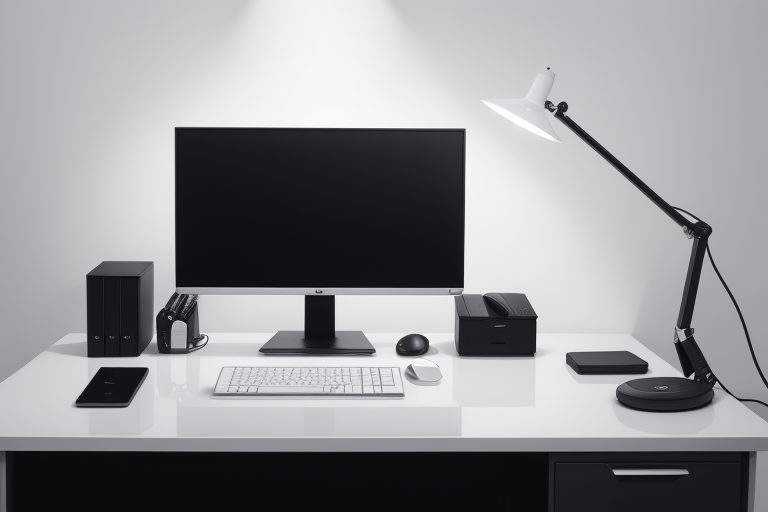
The magic happens because these light bars sit right on top of your monitor, angled to illuminate your workspace without hitting the screen surface. Most quality models use a curved reflector or specialized lens that directs 100% of the light where you need it. You get a well-lit desk for reading documents or taking notes, but zero reflection on your display.
The Science of Balanced Lighting
Your eyes contain muscles that constantly adjust your pupils based on surrounding light levels. When you stare at a bright monitor in a dark room, these muscles work overtime, contracting and dilating repeatedly. This constant adjustment leads to eye fatigue, headaches, and that gritty, dry feeling after a few hours.
Monitor backlighting—whether from a light bar or bias lighting behind your screen—creates ambient illumination that reduces the contrast between your display and its surroundings. Studies show this balanced lighting environment can reduce eye strain by up to 50% during extended work sessions. Your pupils maintain a more consistent size, and those ciliary muscles get a much-needed break.
Real Cost Comparison
Let’s talk numbers. A decent adjustable desk lamp runs $30-80, but it takes up valuable desk real estate and still creates potential glare issues. Monitor light bars range from $40 for basic models like the Quntis to $200 for premium options like the BenQ ScreenBar Halo.

Check Price on Amazon →
The mid-range sweet spot sits around $80-120, where you’ll find models with auto-dimming sensors, adjustable color temperature (2700K-6500K), and USB-powered convenience. Compared to desk lamps in the same quality tier, you’re paying roughly the same price but gaining glare-free operation and saving desk space.
Who Needs One Most?
Programmers spend 8-12 hours daily reading code on dark backgrounds—they need consistent, comfortable lighting to prevent strain during marathon debugging sessions.
Designers and video editors constantly switch between their bright screens and reference materials on their desks. A monitor light bar illuminates sketches, color swatches, and notes without washing out their calibrated displays.
Writers who toggle between typing and reviewing printed documents benefit from having their keyboard and papers evenly lit without glare obscuring their drafts.
Night shift workers need proper lighting that won’t disturb others but keeps them alert. A focused light bar provides adequate illumination without flooding an entire room.
If you spend more than four hours daily at your computer, a monitor light bar isn’t a luxury—it’s an investment in your eye health and productivity.