Natural Daylight Desk Lamp for Seasonal Depression 2026
Understanding Light Therapy and Seasonal Depression: What Your Desk Lamp Actually Needs to Do
If you’ve noticed your mood tanking when the days get shorter, you’re not imagining things. Seasonal Affective Disorder (SAD) affects roughly 5% of adults in the US, with millions more experiencing milder winter blues. The science behind it is straightforward: reduced sunlight exposure disrupts your circadian rhythm and drops your serotonin levels—the brain chemical that regulates mood.
How Light Therapy Actually Works
When bright light hits your retinas, it signals your brain to suppress melatonin production and boost serotonin. This isn’t just feel-good pseudoscience—it’s a documented biological process. Your hypothalamus, which controls your sleep-wake cycle and mood, responds directly to light intensity hitting your eyes. Clinical studies from 2025 and 2026 continue to show that light therapy produces measurable improvements in 60-70% of SAD patients, often within just one to two weeks.
The 10,000 Lux Standard: Why Most Desk Lamps Don’t Cut It
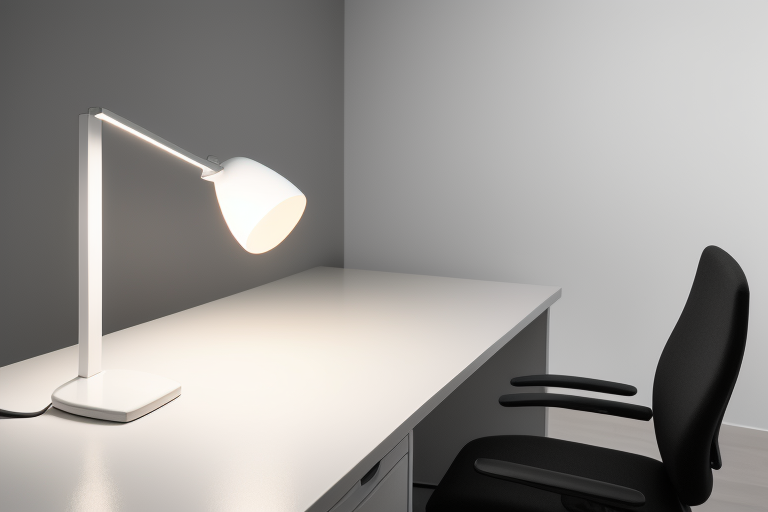
Here’s where things get critical: a regular “bright white” desk lamp typically produces 500-1,000 lux at normal working distance. For therapeutic effect, you need 10,000 lux at your eyes. That’s not a suggestion—it’s the clinically-proven threshold.
Products like the Carex Day-Light Classic Plus are specifically designed to hit this 10,000 lux mark at about 12 inches away. Your standard desk lamp, even a nice one, won’t come close.
Color Temperature: The Daylight Difference
Light therapy requires 5000K-6500K color temperature—the cool, blue-white spectrum that mimics midday sunlight. Warm lighting (2700K-3000K), while cozy for reading, doesn’t provide the biological signals your brain needs to regulate mood and circadian rhythm.
The Verilux HappyLight Luxe delivers 10,000 lux at the proper 6500K daylight temperature, making it a legitimate therapy option rather than just bright ambient lighting.
UV-Free: Non-Negotiable for Safety
True therapeutic lamps must be UV-free. While natural sunlight contains UV rays, you don’t need or want them for treating SAD. Modern light therapy lamps use LED or fluorescent technology with UV filters, giving you the beneficial wavelengths without skin damage or eye strain risks.
Timing Is Everything
Light therapy works best with 20-30 minutes of morning exposure, ideally within the first hour of waking. This timing resets your circadian clock most effectively. Evening use can actually backfire, disrupting your sleep schedule.
You don’t need to stare directly at the lamp—position it at a slight angle while you check email or eat breakfast. The Northern Light Technologies Boxelite allows this type of passive exposure while you go about your morning routine.
The bottom line: if you’re serious about addressing seasonal depression, you need an actual light therapy device, not just a bright desk lamp. The difference isn’t marketing hype—it’s measurable biology.