Standing Desk Converter vs Full Electric Desk 2026 Guide
Standing Desk Converters vs Full Electric Desks: Which Solution Is Right for Your Home Office in 2026?
The choice between a standing desk converter and a full electric desk isn’t just about budget—it’s about understanding how each solution fits your actual workspace and lifestyle. Let’s break down the real differences so you can make the right call.
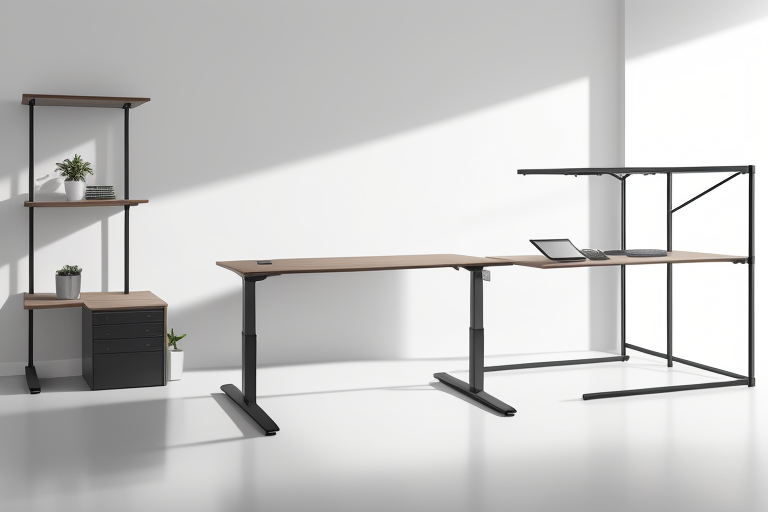
The Fundamental Differences
Standing desk converters sit on top of your existing desk and lift your monitor and keyboard up when you want to stand. Think of them as an add-on solution. You keep your current desk and simply place a platform on top that adjusts up and down. Most use a spring-assisted mechanism or manual crank, though some premium models now include electric motors.
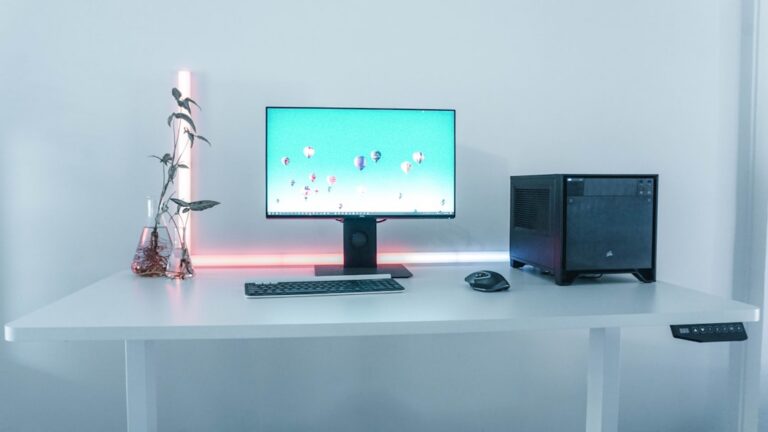
Full electric standing desks replace your entire workspace. These are complete desks with motorized legs that raise and lower the entire surface smoothly. You’re starting from scratch with a brand-new desk that goes from sitting to standing height at the push of a button.
The Vivo Height Adjustable Standing Desk Converter represents the converter category well—it’s a self-contained unit that transforms any surface into a sit-stand workspace.
What You’ll Actually Spend in 2026
Current market prices have stabilized after the post-pandemic surge:
- Converters: $150-$400 depending on size and features
- Full electric desks: $400-$1,500 based on motor quality, desktop material, and weight capacity
Basic converters like the FlexiSpot ClassicRiser Standing Desk Converter start around $150 for single-monitor setups, while dual-monitor versions with wider platforms run $250-$400.
For full electric desks, entry-level models hover around $400-$600, mid-range options with better motors and memory presets land at $700-$1,000, and premium commercial-grade units with advanced features reach $1,500. The Uplift V2 Standing Desk sits in that sweet spot of reliable performance without unnecessary bells and whistles.
Who Benefits Most From Each Option
Choose a converter if you:
- Rent your home or apartment and can’t leave furniture behind
- Have a desk you genuinely love and want to keep
- Work in a small space where a full desk replacement isn’t practical
- Need a solution under $300
- Want to test standing before committing to a full desk
Choose a full electric desk if you:
- Own your home or plan to stay long-term
- Have room for a complete workspace upgrade
- Need maximum stability for heavy monitors or equipment
- Want the smoothest, quietest height adjustments
- Can invest $500+ for a permanent solution
Your Quick Decision Framework
Ask yourself these three questions:
1. Rental or ownership? Renters benefit from converters’ portability. Homeowners can invest in permanent solutions.
2. How much desk space do you have? Converters reduce your usable surface area by 20-30%. Tight quarters? Consider if you can spare it.
3. What’s your realistic budget? Don’t stretch beyond $400 unless you’re certain standing will become your daily routine. Start with a quality converter—you can always upgrade later.
The right choice depends less on which option is “better” and more on which fits your actual situation today.