Best Power Strip for Home Office Desk: 2026 Guide
Why Your Home Office Needs More Than a Basic Power Strip
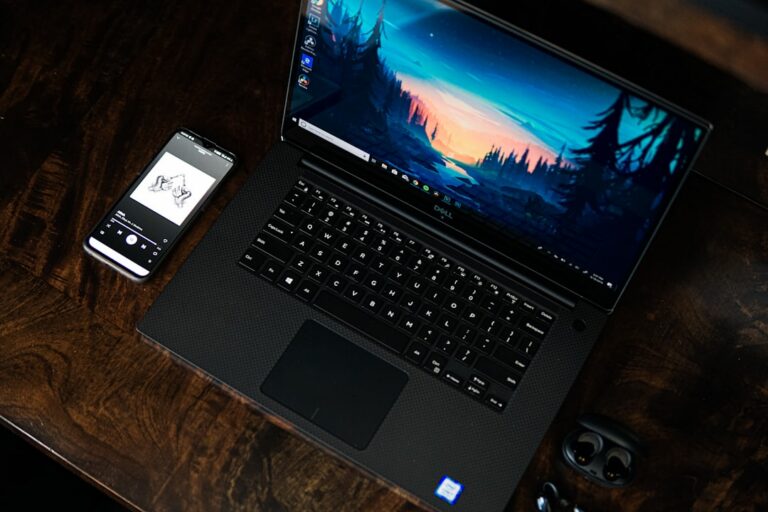
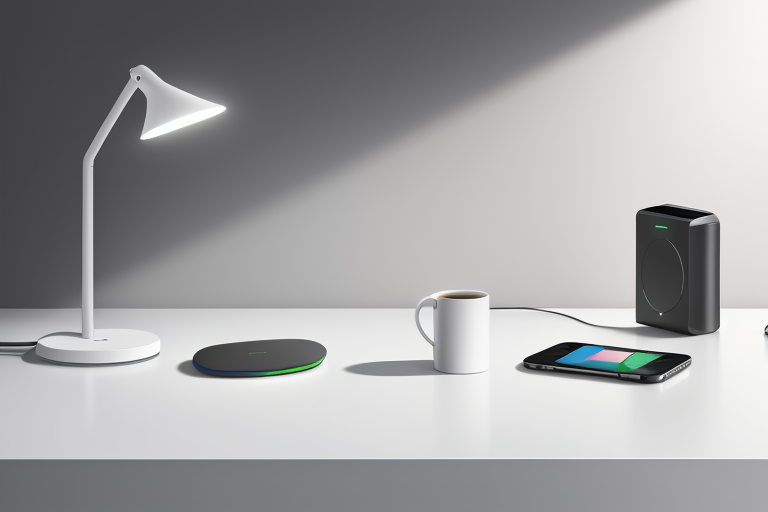
Look around your desk right now. How many devices are plugged in? If you’re like most remote workers, you’ve probably got a computer tower or laptop, one or two monitors, a desk lamp, phone charger, wireless earbuds case, speakers, and maybe a USB hub or external hard drive. That’s easily 8-12 devices competing for outlet space—and we haven’t even counted the occasional tablet, smartwatch charger, or that ring light you use for video calls.
Here’s the problem: that basic $5 power strip from the hardware store isn’t cutting it anymore.
The Hidden Costs of Cheap Power Strips
Those bargain-bin power strips do one thing—they turn one outlet into six. But they’re missing critical features that actually matter in a modern workspace:
No surge protection: A power surge from a lightning strike or grid fluctuation can fry your expensive electronics in milliseconds. Basic strips offer zero defense against this.
Zero USB ports: You end up using bulky wall adapters that block adjacent outlets, wasting valuable space on your power strip.
Poor outlet spacing: Try plugging in three laptop chargers side-by-side on a basic strip. Spoiler alert: you can’t. Those chunky adapters block each other, leaving half your outlets unusable.
Flimsy construction: Cheap strips use thin internal wiring and weak components that can overheat under normal loads, creating a genuine fire hazard.
What Quality Power Strips Actually Do
A well-designed power strip transforms how you work. The right model gives you:
- Surge protection rated for thousands of joules, safeguarding computers, monitors, and peripherals
- Widely-spaced outlets that accommodate bulky adapters without blocking neighbors
- Built-in USB ports (often USB-C now) that eliminate wall warts entirely
- Flat plugs that sit flush against the wall, perfect for tight spaces behind desks
- Cable management features like velcro straps or clips that tame cord chaos
- Mounting options for under-desk or wall installation, getting power where you need it
The ergonomic benefit is real: instead of crawling under your desk twice daily to swap chargers, everything stays plugged in with easy-access switches.
Finding Your Sweet Spot
Power strips range from $15 budget models to $80+ professional units. Here’s what you actually need:
Budget range ($15-$25): Basic surge protection with standard outlet spacing. Fine for low-value setups but limited features.
Mid-range ($30-$50): The best value zone. You get solid surge protection (2000+ joules), USB charging ports, better outlet spacing, and quality construction. This is where most home office workers should shop.
Premium ($50-$80): Heavy-duty protection, USB-C PD charging, rotating outlets, premium warranties. Worth it if you’re protecting high-end equipment or need specialized features.
The Simple Math
Think about what’s plugged into your desk: a $1,200 laptop, $400 monitor, $300 mechanical keyboard, $200 in audio gear. That’s over $2,000 in equipment sitting behind a $5 power strip with zero surge protection.
Spending $40 on a quality power strip isn’t an expense—it’s insurance. One power surge could cost you thousands in replacements plus the headache of lost work and downtime.
Your home office is your livelihood. Protect it properly.